
For many men experiencing severe erectile dysfunction (ED) or seeking aesthetic enhancement, intimate health and size are deeply connected to quality of life and self-confidence. When conservative treatments fail, considering a penile implant is a major milestone. However, nothing is more critical to the success of this procedure than choosing the right device type and size. The proper fit directly dictates postoperative comfort, natural appearance, structural integrity, and overall partner satisfaction.
Interestingly, the concept of a penile implant is not a modern novelty. The earliest iterations of penile reconstructive devices date back to the 1930s, pioneered by innovative Russian surgeons. Over the decades, biomedical engineering has transformed these early designs into highly sophisticated, biocompatible, and reliable medical devices. Today, in 2026, modern urological surgery offers highly customized options tailored to each patient’s unique pelvic anatomy and personal goals.
A penile implant remains the gold standard for men seeking a permanent, highly reliable solution to erectile dysfunction when oral medications, vacuum erection devices, or injection therapies have proven ineffective.
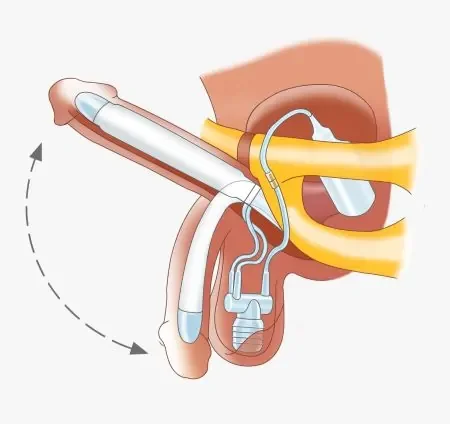
Table of Contents
- Understanding the Penile Implant: Types and 2026 Standards
- Penile Enlargement Implant Options
- Best Penile Implant for Length Preservation
- Penile Implant Size Options and Technical Specifications
- AMS Semi-Rigid Models (2026)
- AMS Inflatable Models and Sizes
- Key Factors to Consider When Choosing Penile Implant Size
- The Penuma Penile Implant for Cosmetic Enhancement
- Penile Implants Before-and-After Results
- Cost Analysis of Penile Implant Procedures in 2026
- Why Choose the Male Hospital for Your Procedure?
- Male Hospital Expert Advice
- Sources and References
- Frequently Asked Questions
Understanding the Penile Implant: Types and 2026 Standards
A penile implant (also known as a penile prosthesis) is an internally implanted medical device designed to restore rigid erections in men with organic erectile dysfunction. According to clinical guidelines from the American Urological Association – ED Management Guidelines, these devices are typically recommended when first-line therapies fail or cause intolerable side effects.
In 2026, the medical landscape categorizes these implants into two primary functional categories:
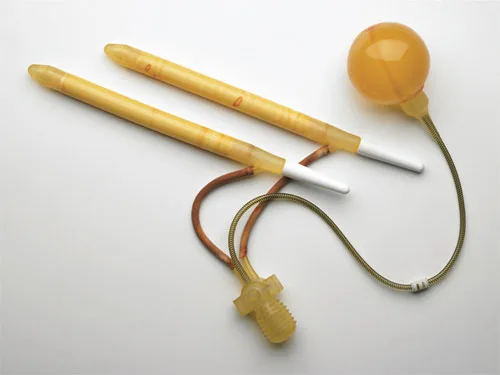
- Inflatable Penile Implants (IPI): Multi-component hydraulic systems (usually 2-piece or 3-piece) that allow the patient to control when and for how long they have an erection. These provide the most natural flaccid and erect states.
- Malleable (Semi-Rigid) Implants: Consist of two bendable metal cores covered by medical-grade silicone. The penis remains permanently semi-rigid and is manually bent upward for sexual activity or downward for concealment.
While functional implants focus on treating ED, cosmetic silicone implants, such as the Penuma device, are designed solely for aesthetic girth and flaccid length enhancement in men without erectile dysfunction.

Penile Enlargement Implant Options
Many patients wonder if a functional penile implant can also serve as a penile enlargement device. It is important to clarify that standard inflatable prostheses are engineered to restore natural rigidity rather than artificially lengthen the penis beyond its biological capacity. However, because chronic ED can cause tissue atrophy and apparent shortening, a properly sized implant can restore the patient’s maximum natural stretched length.
During a typical 3-piece inflatable implant surgery, the urologist places two inflatable cylinders inside the corpora cavernosa (the erection chambers of the penis). These cylinders are connected via micro-tubing to a small fluid reservoir placed in the lower abdomen or space of Retzius, and a control pump positioned discreetly inside the scrotum. When the pump is squeezed, sterile fluid moves from the reservoir to the cylinders, creating a firm erection. Squeezing the deflation valve on the pump returns the fluid to the reservoir, restoring a natural, comfortable flaccid state.
Clinical studies highlighted by the International Society for Sexual Medicine – Prosthesis Research indicate that utilizing post-operative traction therapy alongside advanced surgical techniques can help optimize post-surgical length and minimize the perception of size loss.
Best Penile Implant for Length Preservation
One of the most common concerns among men undergoing ED surgery is post-operative penile shortening. For patients prioritizing length preservation, the choice of a penile implant depends heavily on the specific engineering of the cylinders.
The undisputed leader in length restoration is the AMS 700™ LGX. Unlike standard cylinders that only expand in girth, the LGX model features a unique woven fabric sheath that allows the cylinders to expand both in girth (transversely) and in length (longitudinally) by up to 20%, depending on the patient’s pre-existing anatomy. This makes it highly effective at countering the tissue retraction and shortening often associated with severe ED or Peyronie’s disease.
Other popular models, such as the AMS 700™ CX and the Coloplast Titan®, focus primarily on maximum rigidity and girth expansion, making them excellent choices for men with fibrotic tissue or those who prioritize a highly rigid erection.
Penile Implant Size Options and Technical Specifications
There is no “one-size-fits-all” when it comes to urological prostheses. During surgery, the urologist uses specialized measuring tools to determine the exact internal length of the corpora cavernosa from the proximal crus to the distal glans. Based on these precise measurements, the surgeon selects the appropriate cylinder length and decides whether to add rear tip extenders (RTEs) to optimize the fit.
Standard cylinder lengths generally range from 12 cm to 24 cm, and rear tip extenders can add anywhere from 0.5 cm to 4 cm in 0.5 cm increments. This allows for highly customized sizing down to the millimeter.
AMS Semi-Rigid Models (2026)
Semi-rigid or malleable implants are highly durable, have no mechanical parts that can fail, and are exceptionally easy to operate, making them ideal for patients with limited manual dexterity.
AMS Tactra™
The AMS Tactra is a modern malleable implant constructed with a dual-layer silicone design over a nitinol core. This engineering provides excellent upward rigidity for intercourse and easy downward concealment. It is available in various diameters (typically 9.5 mm, 11 mm, and 13 mm) and lengths spanning 14 cm to 27 cm, accommodating a wide range of anatomical profiles.
AMS Spectra™
The AMS Spectra offers excellent concealment options and is available in lengths of 12 cm, 16 cm, and 20 cm. It utilizes snap-on rear tip extenders to allow urologists to customize the implant size intraoperatively to match the exact dimensions of the patient’s cavernous bodies.
AMS Inflatable Models and Sizes
Inflatable systems are highly favored because they provide a completely natural flaccid state, making them virtually unnoticeable under clothing.
AMS Ambicor™ (2-Piece)
The Ambicor is a simplified 2-piece hydraulic system. It consists of two cylinders and a pump located in the scrotum, with no separate abdominal reservoir. It is available in lengths of 14 cm, 16 cm, 18 cm, 20 cm, and 22 cm, with diameters of 12.5 mm and 15 mm. It is highly suitable for patients who have had extensive abdominal surgery, making reservoir placement difficult.
AMS 700™ LGX (3-Piece)
Engineered for both length and girth expansion, the AMS 700 LGX is available in standard cylinder lengths of 12 cm, 15 cm, 18 cm, and 21 cm. This model is highly versatile and can be safely placed via either a penoscrotal or infrapubic surgical approach.
AMS 700™ CX
The AMS 700 CX is designed for maximum rigidity and is highly resistant to buckling. It is available in lengths of 12 cm, 15 cm, 18 cm, 21 cm, and 24 cm, making it suitable for a broad spectrum of patients, including those with challenging anatomy.
AMS 700™ CXR
This specialized model is designed for men with narrow cavernous bodies, severe corporal fibrosis, or scarring from previous infections. It is available in lengths of 10 cm, 12 cm, 14 cm, 16 cm, and 18 cm, featuring a slimmer profile to ensure a safe, comfortable fit without placing excessive tension on compromised tissues.
Key Factors to Consider When Choosing Penile Implant Size
Determining the ideal size and model of a penile implant is a collaborative decision made between the patient and their urologist. Key factors influencing this decision include:
- Internal Anatomy: The physical length of the corporal chambers, which restricts the maximum safe size of the cylinders.
- Tissue Elasticity: Fibrosis or scarring from Peyronie’s disease or previous surgeries can limit how much the tissue can stretch safely.
- Manual Dexterity: Patients must have the physical strength and coordination to operate the scrotal pump of an inflatable device; otherwise, a malleable implant may be preferred.
- Abdominal Surgical History: Prior surgeries (such as hernia repairs or prostatectomies) can influence where the reservoir is placed, sometimes favoring a 2-piece system over a 3-piece system.
- Body Habitus: A prominent suprapubic fat pad can obscure the visible shaft of the penis, which may require adjunctive procedures like a panniculectomy or fat transfer to optimize visible results.
The Penuma Penile Implant for Cosmetic Enhancement
For men who do not suffer from erectile dysfunction but desire cosmetic enhancement, the Penuma® implant represents a highly specialized option. It is an FDA-cleared, medical-grade silicone sleeve designed to be placed subcutaneously over the shaft of the penis to increase flaccid girth and visible length.
The Penuma device is available in three primary sizes: Large (L), Extra-Large (XL), and Extra-Extra-Large (XXL). The appropriate size is carefully selected by the surgeon using a dedicated sizing chart that cross-references the patient’s flaccid length and mid-shaft circumference to prevent excessive skin tension and ensure a natural-looking aesthetic outcome.
Comparison of Common Penile Implant Models
| Implant Model | Type of Device | Primary Clinical Goal | Available Lengths |
|---|---|---|---|
| AMS 700 LGX | 3-Piece Inflatable | ED Treatment with Length & Girth Expansion | 12 cm – 21 cm (plus RTEs) |
| AMS 700 CX | 3-Piece Inflatable | ED Treatment with Maximum Rigidity | 12 cm – 24 cm (plus RTEs) |
| AMS Tactra | Malleable (Semi-Rigid) | ED Treatment with High Durability & Easy Use | 14 cm – 27 cm |
| Penuma | Subcutaneous Silicone Sleeve | Cosmetic Girth & Flaccid Length Enhancement | L, XL, XXL (Sized by Surgeon) |
Penile Implants Before-and-After Results
Clinical data from leading institutions like the Cleveland Clinic – Penile Prosthesis Information shows exceptionally high patient and partner satisfaction rates, often exceeding 90%. Patients report a significant restoration of sexual confidence, spontaneous intimacy, and relief from the psychological burden of severe erectile dysfunction.
For cosmetic implants like Penuma, peer-reviewed clinical studies show an average increase in flaccid mid-shaft girth of 1.5 to 2.5 inches, along with a noticeable improvement in flaccid hang. It is crucial to note that while cosmetic implants enhance flaccid appearance, they do not significantly increase fully erect length, which is determined by the patient’s internal erectile tissue.
Cost Analysis of Penile Implant Procedures in 2026
The financial investment required for a penile implant varies considerably based on geographic location, the type of device chosen, and insurance coverage. In the United States, the total cost for a 3-piece inflatable implant can range from $16,000 to over $24,000 when paying out-of-pocket. However, because ED is recognized as a medical condition, Medicare and many private health insurance providers often cover a significant portion of the procedure if medical necessity is documented.
For patients seeking highly cost-effective options without compromising on quality, medical tourism destinations like Turkey have become highly popular. In Turkey, world-class urological centers offer comprehensive, all-inclusive packages (including the device, surgical fees, luxury accommodation, and VIP transfers) ranging from $4,000 to $8,000. In the United Kingdom, private procedures typically range from £8,000 to £15,000 depending on whether a malleable or inflatable device is selected.
Read Also:
- 3 Piece Penile Implant Guide
- Understanding Penile Glans Enlargement
- Penile Implant Surgery in Turkey
- How Long Do Penile Implants Last?
- How to Reduce Sensitivity of Glans Naturally
- P-Shot with Stem Cells for ED
- How Do Penile Implants Work?
- Penis Plastic Surgery Cost and Options
- Penis Enlargement in Turkey Guide
Why Choose the Male Hospital for Your Procedure?
When undergoing a highly specialized procedure like a penile implant, the experience and skill of your surgical team are paramount to achieving an optimal outcome. At our specialized andrology center, we provide world-class care tailored to the unique needs of men seeking to restore or enhance their sexual health.
Our facility features state-of-the-art operating suites designed to minimize infection risks, and our board-certified urologists utilize the latest minimally invasive techniques to ensure rapid recovery and minimal scarring. We prioritize a highly personalized approach, taking the time to precisely measure and select the perfect implant size and model for your anatomy. From your initial confidential consultation through to your comprehensive post-operative follow-up, our dedicated team is committed to delivering exceptional care, absolute privacy, and life-changing results.
Male Hospital Expert Advice
Deciding to get a penile implant is a deeply personal and life-changing decision. We highly recommend that patients approach this journey with realistic expectations and a clear understanding of their anatomical potential. It is essential to choose a highly experienced, high-volume urologist who specializes specifically in prosthetic urology, as surgical expertise is the single most important factor in preventing complications such as infection, erosion, or sizing errors. Remember, the goal of a functional implant is to restore spontaneous, reliable intimacy and improve your overall quality of life; taking the time to find the right surgeon and the right device is the first step toward a successful outcome.
Sources and References
Frequently Asked Questions
Who is a candidate for a penile implant?
A penile implant is typically recommended for men with organic erectile dysfunction (ED) who have not responded to, or cannot tolerate, first-line treatments such as oral medications (PDE5 inhibitors), vacuum erection devices, or penile injections. Candidates should be in good general health, free of active urinary tract infections, and have sufficient manual dexterity to operate the device.
Does a penile implant increase the size of the penis?
A standard penile implant is designed to restore natural rigidity and maximize the patient’s existing, fully stretched penile length, but it does not artificially lengthen the penis beyond its biological capacity. However, specific models like the AMS 700 LGX can expand both in length and girth to help counter the tissue shortening and retraction often caused by chronic ED or Peyronie’s disease.
How long does a penile implant last?
Modern penile implants are highly durable medical devices designed for long-term use. On average, a high-quality inflatable penile implant lasts between 10 to 15 years before mechanical wear may require a replacement procedure. Malleable (semi-rigid) implants, having no moving hydraulic parts, often last even longer.
Is the surgery painful, and what is the recovery time?
Patients typically experience moderate discomfort and swelling in the groin and scrotum for the first few weeks following surgery, which is managed with prescribed pain medications. Most men can return to light daily activities within a week and can resume sexual activity and activate the implant after 4 to 6 weeks, following clearance from their urologist.